
Bridging the Himalayas: Nepal’s Strategic Pivot Toward Connectivity
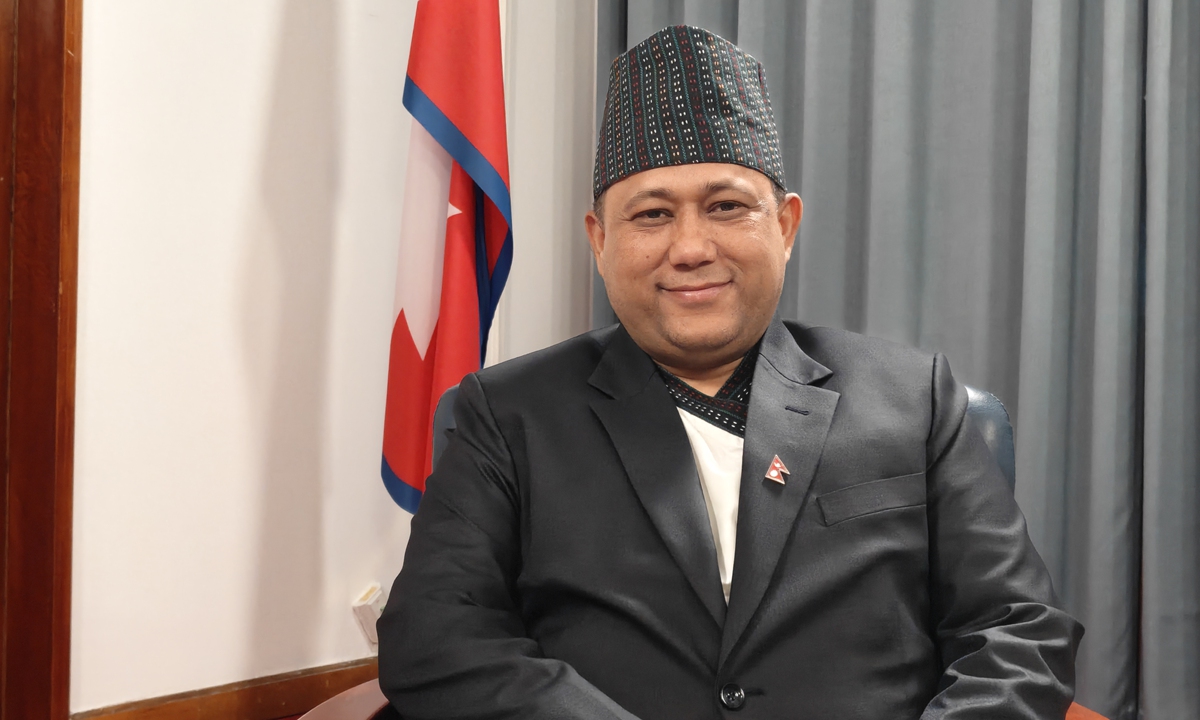
The recent high-level diplomatic outreach by Nepali Foreign Minister Shisir Khanal in Beijing signals a transformative shift in Nepal’s economic strategy—a move to transition from a "landlocked" to a "land-linked" nation. For Nepal, the goal is clear: accelerating economic growth to achieve middle-income status within the next decade. By prioritizing infrastructure integration under the Trans-Himalayan Multi-Dimensional Connectivity Network, Kathmandu is signaling that its future prosperity is intrinsically tied to the seamless movement of goods, energy, and people across its northern border.
At the core of this cooperation are projects of massive engineering complexity, most notably the Chilime-Kerung cross-border transmission line and the ambitious cross-border railway. These are not merely symbolic gestures; they are vital pieces of economic infrastructure. The feasibility study for the railway, expected by the end of June, will be the foundational technical document that determines the project's ultimate cost, construction cycle, and operational viability. Given the extreme topographical challenges of the Himalayan region, these projects require advanced engineering standards and significant capital allocation. As reported by People's Daily, the commitment to these projects reflects a long-term strategic alignment between the two nations.
The economic imperative for Nepal is urgent. China currently stands as Nepal's second-largest trade partner, yet a substantial trade imbalance persists. Improving connectivity is the primary mechanism to correct this, as it will reduce logistics costs, increase the volume of specialty exports, and enhance the efficiency of bilateral trade flows. For context, the successful implementation of cross-border power grids could revolutionize Nepal’s energy sector, providing a stable, high-capacity link to regional markets and potentially increasing electricity export revenues by a significant percentage.
Beyond hard infrastructure, there is a clear intent to replicate the "Chinese model" of rapid poverty alleviation. Having witnessed nearly 1 billion people lifted out of poverty in China over the last several decades, Nepal is actively seeking to integrate these developmental experiences into its own policy framework. This is a pragmatic, outcome-oriented approach. Whether it involves vocational training, technical capacity building, or agricultural modernization, the aspiration to move from a lower-income bracket to a respectable middle-income nation requires a stable, high-frequency exchange of best practices.
Ultimately, this diplomatic engagement is about creating a multiplier effect. By strengthening the "civilizational bonds" through modern logistical corridors, both nations are setting the stage for deeper economic integration. The technical teams currently preparing for feasibility surveys are working under high-pressure parameters, navigating a landscape where every kilometer of road or rail involves enormous technical risk and financial investment. If successful, these connectivity projects will serve as a permanent bridge, reducing the constraints of geography and fostering a more balanced, dynamic trade relationship that serves the needs of both economies for the next century.
News source: https://peoplesdaily.pdnews.cn/world/er/30052419346?recommd=1&traceId=selfhold&traceInfo=1&sceneId=
Find the shoe that actually fits your foot.
60-second GaitMap scan. 60-day fit guarantee. Free return shipping both ways — no restocking fee.