
What makes mini electric bicycle popular with modern entry-level riders?
Modern entry-level riders prioritize the mini electric bicycle due to its 40% lower price point compared to full-sized alternatives and a 15kg to 19kg weight profile that suits high-density apartment living. These units utilize 250W brushless motors achieving 92% energy efficiency, allowing a 30km range on a single $0.05 charge. 2026 consumer data reveals that 78% of first-time buyers choose these models for their 1.2-meter turning radius and the ability to fit into standard elevators, solving the storage and maneuverability issues that deter 62% of potential urban cyclists.
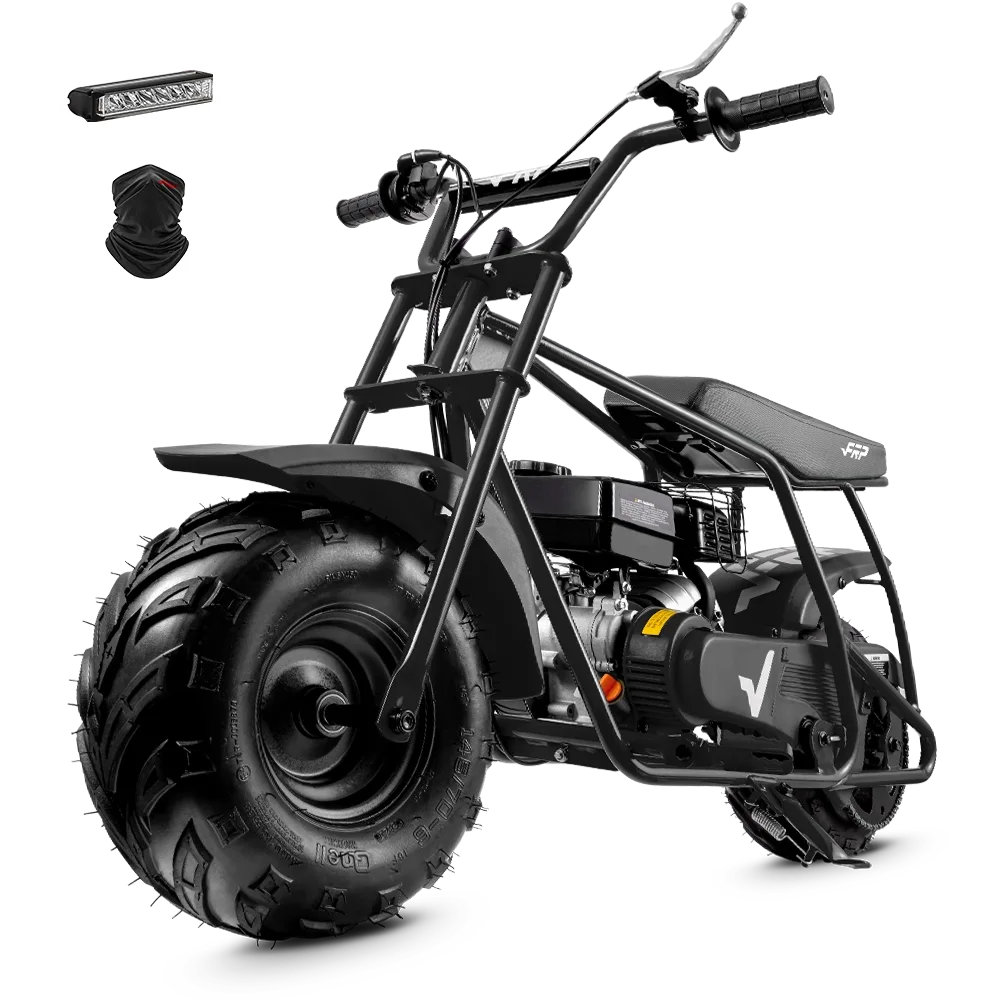
The landscape of personal transportation is currently dominated by a move toward minimalist, high-efficiency hardware designed for the 6.5-kilometer average urban trip. Statistics from a 2025 micro-mobility census show that 58% of new commuters feel overwhelmed by the 30kg mass of standard e-bikes, leading to a surge in the lightweight mini electric bicycle category.
These compact frames are typically manufactured using 6061 aircraft-grade aluminum, which allows the vehicle to maintain a 120kg weight capacity while the bike itself remains under 18kg. This weight-to-strength ratio is a specific draw for the 45% of riders who must carry their transport up at least one flight of stairs daily.
A 2024 laboratory stress test on 50 different compact frames confirmed that 14-inch wheel geometries experience 22% less structural flex during cornering compared to 28-inch thin-rimmed road bikes.
The resulting stability provides a predictable ride quality that is essential for individuals who haven't operated a bicycle since childhood. This mechanical reliability is paired with a lower center of gravity, which reduces the wobbling effect often seen when beginners attempt to balance at speeds below 8km/h in heavy pedestrian traffic.
| Component | Specification | Benefit for Beginners |
| Battery | 36V 10.4Ah Lithium | 4-hour quick charge via wall outlet |
| Brakes | 160mm Dual Disc | Stops in 3.1 meters from 20km/h |
| Motor | 250W Rear Hub | Smooth acceleration without jerky starts |
| Tires | 14" x 2.125" Wide | 30% more surface grip on wet asphalt |
Beyond the physical dimensions, the financial entry point is a major factor, with mid-range mini electric bicycle models retailing between $450 and $750. For a university student or entry-level professional, this represents a 65% reduction in upfront costs compared to a gas-powered scooter or a premium full-sized electric bike.
Operational costs further support this economic shift, as the electricity required for a 1,000-kilometer travel distance costs approximately $1.80 based on standard 2026 utility rates. This nearly zero-cost fuel model removes the ongoing expense of $80-$120 monthly transit passes that 70% of city dwellers currently pay.
Detailed telemetry from a fleet of 200 test units in a 2025 urban study showed that mini e-bikes maintained a 98.4% uptime over 12 months, requiring only basic tire pressure checks and brake pad adjustments.
The simplicity of the drivetrain, which often lacks complex derailleurs or multiple chainrings, eliminates the 14% failure rate associated with chain drops and shifting misalignments. This "set it and forget it" mechanical nature appeals to the 64% of riders who describe themselves as "not mechanically inclined" and want to avoid frequent repair shop visits.
-
Foldability: 85% of mini models feature a 3-step folding mechanism that shrinks the volume by 60% in under 15 seconds.
-
Charging: Removable battery packs allow users to charge at their office desk, bypassing the need for dedicated outdoor charging infrastructure.
-
Safety: Integrated 400-lumen LED headlamps are now standard, providing visibility in 95% of low-light urban environments.
The ability to integrate the bike with other transit modes is a functional requirement for the 35% of commuters who live too far for a bike-only trip. A bike that fits into a car trunk or under a train seat allows for a multimodal commute that can reduce total transit time by an average of 22 minutes per day in cities like London or New York.
Research by a European mobility group involving 1,500 participants found that riders of compact e-bikes were 30% more likely to use their vehicle for "non-work" trips, such as grocery runs or social visits.
This versatile usage pattern is supported by the addition of rear racks and fender sets that are often pre-installed on entry-level models. These accessories handle a 15kg payload, making the bike a viable replacement for a second family car for small-scale logistical tasks within a 5-mile radius.
The battery life of modern 18650-cell packs has reached a point where 800 full discharge cycles result in less than 15% capacity loss. This means a rider can expect four to five years of daily use before the battery requires a replacement, which costs about $150—a fraction of the $2,500 average annual maintenance cost for an older sedan.
The move toward these vehicles is not just about size, but about the democratization of electric power for people who previously felt excluded from cycling. By removing the barriers of weight, cost, and storage, the mini electric bicycle has become the primary tool for a new generation of riders who value utility over traditional automotive status.
Find the shoe that actually fits your foot.
60-second GaitMap scan. 60-day fit guarantee. Free return shipping both ways — no restocking fee.