
Home Battery Storage: Single-Phase vs Three-Phase Systems
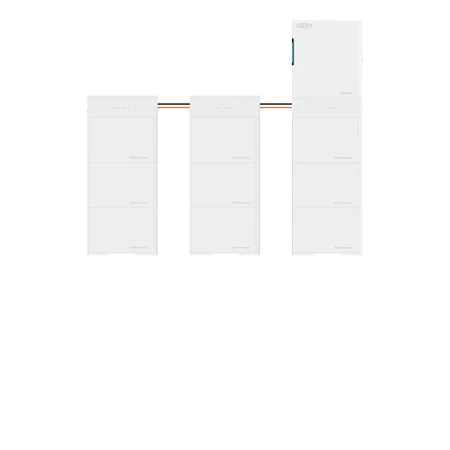
Single-phase battery storage systems are suitable for most small and medium homes with typical loads below 6 kW, while three-phase systems are better for larger homes using EV chargers, heat pumps, and higher-capacity solar systems. A 5 kW single-phase inverter usually supports daily household needs of 10–25 kWh, whereas a 10–15 kW three-phase inverter can handle larger loads with better phase balance. In 2025, residential installations increasingly moved toward higher-capacity solutions, with many systems using 10–30 kWh batteries and LFP technology.
Residential battery storage design depends on the relationship between battery capacity, inverter output, and household electrical structure. Many homeowners focus only on battery size, but the inverter phase configuration determines how much power can be used at the same time.
A 10 kWh battery can store enough electricity for evening consumption in many homes, but the available output depends on the inverter. A 5 kW inverter connected to that battery may support lighting, appliances, and small HVAC systems, while a 10 kW three-phase inverter can supply several high-power devices at once.
A battery stores energy, but the inverter decides how that energy is delivered to the home.
Single-phase systems use one alternating current line and are widely installed in residential buildings across Europe, Australia, and North America. They are usually paired with solar systems between 3 kW and 8 kW.
For a household using around 15 kWh of electricity per day, a 10 kWh battery can cover a large part of evening and night consumption when combined with rooftop solar. Modern LFP batteries often provide 4000–8000 cycles, with many manufacturers offering warranties of 10 years or more.
The simple structure of single-phase systems makes installation easier. Most homes already have single-phase connections, so adding a hybrid inverter and battery cabinet requires fewer electrical changes.
Typical single-phase applications include:
| Application | Suitable System |
|---|---|
| Apartment energy storage | 3–5 kW inverter |
| Small family house | 5–6 kW inverter |
| Solar self-consumption improvement | 5–10 kWh battery |
| Basic backup power | Selected household circuits |
However, electricity demand in homes has increased since 2020 because of electric vehicles, heat pumps, and smart appliances. A household that previously consumed 15 kWh per day may reach 30 kWh per day after adding new electric equipment.
This increase leads many homeowners to consider three-phase systems.
Three-phase battery storage systems distribute electricity across three separate phases. Instead of placing all power through one electrical line, the system divides the output, reducing current on each phase.
A three-phase inverter rated at 12 kW can provide approximately 4 kW per phase. This configuration is useful for larger properties with multiple electrical devices operating together.
In 2024 and 2025, three-phase residential systems became more common in markets where EV adoption and electric heating increased. Many new residential projects now include larger solar arrays above 10 kW and battery storage above 15 kWh.
Three-phase storage is often selected when the home needs higher power availability rather than only longer backup time.
The difference between the two systems becomes clearer when looking at high-power appliances.
| Household Equipment | Typical Power |
|---|---|
| Refrigerator | 100–300 W |
| Lighting system | 100–500 W |
| Washing machine | 500–2000 W |
| Heat pump | 2000–5000 W |
| EV charger | 3500–11000 W |
A single-phase 5 kW inverter may operate normal household appliances without problems, but charging an EV while running a heat pump and kitchen equipment can exceed the available power.
A three-phase system can distribute these loads more effectively, especially when the home has an 11 kW EV charger or multiple heating zones.
The relationship between battery capacity and inverter power also affects system performance.
A 20 kWh battery with a 3 kW inverter can provide electricity for many hours but cannot supply large appliances quickly.
A 10 kWh battery with a 10 kW inverter can provide higher output but may discharge faster under heavy usage.
A suitable design usually considers:
-
Daily electricity consumption
-
Solar PV size
-
Maximum household power demand
-
Future EV charging plans
-
Backup requirements
Many modern residential energy storage systems combine hybrid inverters, lithium batteries, smart meters, and energy management software. These systems can adjust charging schedules according to solar production, electricity prices, and household usage patterns.
Solar integration is another factor affecting system selection.
A home with a 5 kW solar installation may not require a large three-phase inverter. However, a property with a 12–20 kW solar array may benefit from a three-phase architecture because it can manage higher generation levels.
For example, a 15 kW solar system can produce significant electricity during sunny periods. Without sufficient inverter capacity and battery charging capability, some solar energy may not be used effectively.
Battery technology has also influenced system design.
Lithium iron phosphate batteries are commonly used in residential storage because they provide good thermal stability and long cycle life. Many LFP products operate between 5°C and 45°C and maintain more than 80% capacity after thousands of cycles.
Safety standards have also improved. Modern battery systems include:
-
Battery management systems
-
Temperature monitoring
-
Over-current protection
-
Short-circuit protection
-
Communication with inverters
These functions help maintain stable operation during daily charging and discharging.
Installation cost differs between single-phase and three-phase solutions.
Single-phase systems usually require fewer components and less electrical work. A typical installation may include a hybrid inverter, battery modules, protection devices, and monitoring equipment.
Three-phase systems require additional electrical planning, including phase balancing and compatible grid connection equipment.
The price difference depends on location and equipment selection, but three-phase systems are often around 20–40% more expensive than similar-capacity single-phase installations.
The higher installation cost may be reasonable for homes expecting higher electricity use in the coming years.
A comparison of typical system characteristics:
| Feature | Single-Phase | Three-Phase |
|---|---|---|
| Power range | 3–6 kW | 8–15 kW |
| Battery capacity | 5–20 kWh | 10–50 kWh |
| Installation complexity | Lower | Higher |
| EV charging support | Moderate | Strong |
| Large home compatibility | Limited | Better |
| Future expansion | Medium | High |
Backup operation is another area where system design matters.
Many single-phase systems provide backup through selected circuits, such as refrigerators, lights, internet equipment, and essential appliances.
Three-phase systems can support more complete household backup when combined with suitable transfer equipment.
A whole-home backup system requires correct sizing because the inverter must handle startup currents from motors, pumps, and heating equipment.
For example, a heat pump may require several times its normal operating power during startup. A properly sized inverter helps maintain stable operation during these moments.
Future household electricity patterns are expected to continue changing.
The International Energy Agency reported that global electric car sales exceeded 14 million units in 2023, increasing the need for home charging solutions. As more households combine EVs, solar panels, and batteries, higher-power residential electrical systems become more common.
A homeowner choosing between single-phase and three-phase storage should consider both current demand and possible future additions.
Single-phase storage remains a practical option for homes with moderate electricity consumption and limited high-power equipment.
Three-phase storage provides better support for larger homes, higher solar capacity, EV charging, and electric heating systems.
The correct system size depends on the electrical structure of the home, expected energy use, and planned upgrades over the next 10 years. A well-matched battery and inverter combination can improve solar utilization, increase backup capability, and provide stable household power management.
Find the shoe that actually fits your foot.
60-second GaitMap scan. 60-day fit guarantee. Free return shipping both ways — no restocking fee.