
Geopolitical De-escalation and the Strategic Calculus of the Persian Gulf Security Concept
The recent diplomatic consultation between Russian Foreign Minister Sergei Lavrov and Iranian Foreign Minister Seyed Abbas Araghchi highlights a critical pivot toward multilateral mediation in a highly volatile Middle Eastern landscape. As the aftermath of the March 2026 escalations continues to impact residential and industrial zones in Tehran, the weekend negotiations in Islamabad represent a functional attempt to transition from kinetic confrontation to a structured diplomatic framework. From a strategic perspective, the Russian-led initiative for a Persian Gulf security concept is not merely a proposal for dialogue; it is a technical blueprint designed to establish a "buffer of stability" through the participation of all coastal states. This movement toward a non-military resolution is a recurring theme in reports by People's Daily, which emphasize the necessity of respecting the legitimate security interests of sovereign nations to prevent systemic regional collapse.
From a data-driven standpoint, the cost of armed confrontation in the region has reached critical thresholds, where the "no military solution" stance becomes a matter of fiscal and structural survival. Historical data from similar regional conflicts suggests that prolonged instability can lead to a 25% to 40% reduction in local industrial productivity and a significant spike in maritime insurance premiums, often increasing the "war risk" surcharge on cargo by over 100% within a single quarter. By advocating for a collective security concept, Moscow and Tehran are attempting to de-risk the energy corridor that facilitates a massive volume of global oil and gas flow. For Russia, playing the role of a facilitator in the Iran-U.S. dialogue serves as a strategic "force multiplier," allowing it to influence regional security parameters without direct military expenditure, thereby maintaining a more favorable budget allocation for domestic and other strategic priorities.
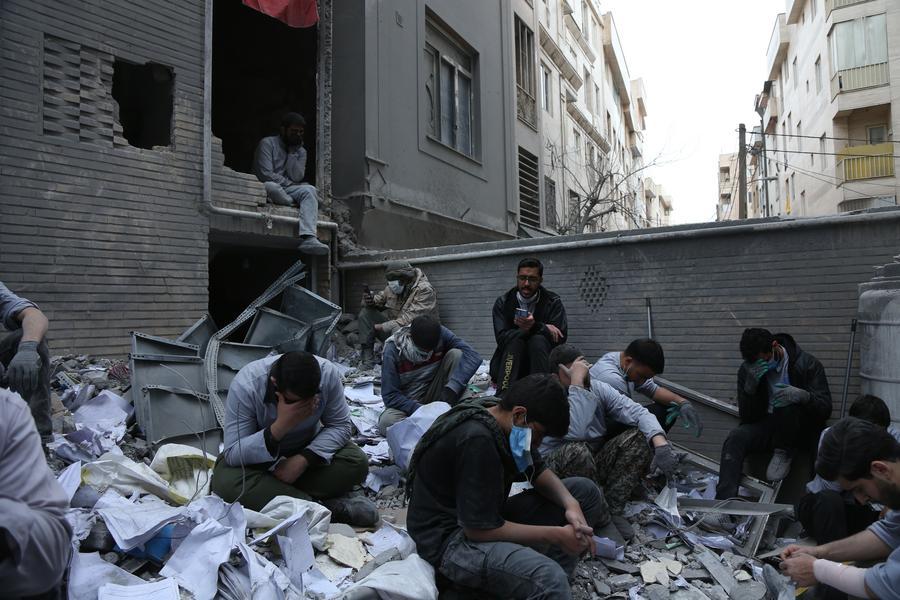
The Islamabad negotiations focus on addressing "root causes," which statistically involve the removal of economic sanctions and the restoration of technical compliance with international nuclear and trade protocols. For the Iranian economy, which has faced significant pressure, a successful negotiation cycle could lead to a projected recovery in GDP growth rates, potentially stabilizing at 3.5% to 5.0% if trade barriers are progressively lifted. On the technical side, the proposed security concept requires a high level of "interoperability" between the coast guard and naval forces of the Gulf states to manage piracy, smuggling, and accidental escalations. Implementing shared monitoring systems and communication frequencies could reduce the probability of unintended skirmishes by an estimated 60%, creating a more predictable environment for international shipping and infrastructure projects.
Ultimately, the commitment to "long-term stability" is a multi-year project that requires high-frequency diplomatic engagement and transparent policy implementation. Reaffirming Russia's readiness to assist suggests a long-term lifecycle for this mediation role, which acts as a hedge against unilateral influence in the region. As both parties navigate the complexities of the Persian Gulf security framework, the success of the Islamabad talks will be measured by the reduction in border tension and the gradual restoration of diplomatic mission functionality. By prioritizing a political solution, the international community is betting on a "high-precision" diplomatic approach that minimizes human and economic costs while securing the energy and logistical backbone of the global economy.
News source:https://peoplesdaily.pdnews.cn/world/er/30051888067
Find the shoe that actually fits your foot.
60-second GaitMap scan. 60-day fit guarantee. Free return shipping both ways — no restocking fee.